

The dropshipping landscape in 2026 isn’t about chasing viral trends or copying what worked last quarter. It’s about identifying product categories with structural demand, defensible positioning, and economics that survive beyond the honeymoon phase of paid acquisition.
This article breaks down six niches showing consistent traction across multiple markets, backed by market data and operational realities. These aren’t “hot picks”, they’re categories where sellers with proper supplier relationships and execution discipline can build businesses that compound over time.
1. Smart home and energy management devices
Smart home adoption has crossed the early adopter threshold. The global smart home market reached $158 billion in 2024 and is projected to grow at 11.3% CAGR through 2028 (Statista). This isn’t just tech enthusiasm, it’s driven by rising energy costs and genuine utility improvements.
What’s actually selling:
- Smart thermostats and energy monitors with real-time usage tracking
- Voice-controlled lighting systems that integrate with existing home automation
- Security cameras with AI-based motion detection
- Solar-powered outdoor devices (lights, cameras, sensors)
Operational reality: Product compatibility matters. Customers expect seamless integration with Alexa, Google Home, or Apple HomeKit. Returns spike when devices don’t work as advertised, so supplier verification isn’t optional.
Shipping costs can eat margins on bulkier items. Work backwards from landed cost per unit to ensure profitability after platform fees, returns, and customer acquisition.

2. Health and wellness tech
The wellness category isn’t slowing down. Global wearable device shipments reached 535 million units in 2024, with fitness trackers and recovery tools gaining share beyond hardcore athletes.
Products showing consistent demand:
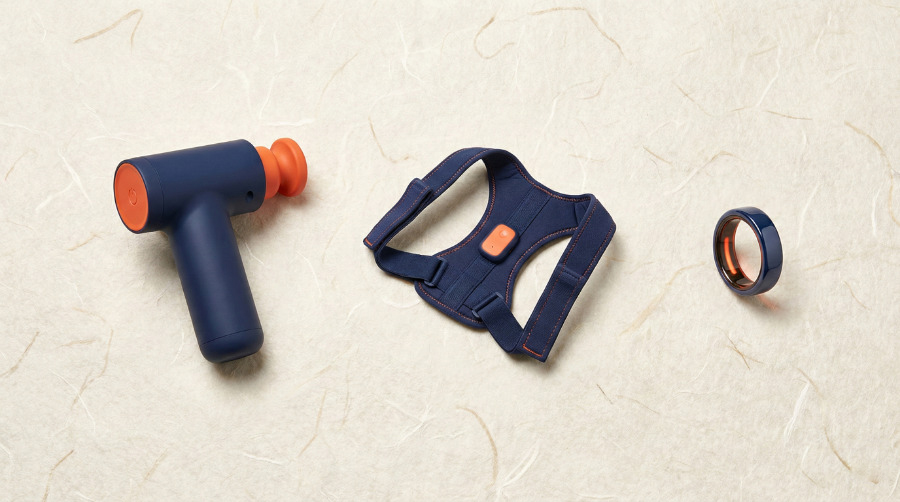
- Posture correctors and ergonomic lumbar supports for desk workers
- Massage guns and percussion therapy devices for recovery
- Blue light blocking glasses marketed to screen-heavy professions
- Sleep tracking devices and weighted blankets
- Red light therapy panels for skin and muscle recovery
Marketing health-related devices requires compliance with local advertising
regulations. Consult legal counsel before making specific efficacy claims.
Margin dynamics: This category supports higher AOV when positioned around specific outcomes: reducing back pain, improving sleep quality, speeding muscle recovery. Generic “wellness” messaging doesn’t convert problem-specific copy does.
Private label opportunities exist here, especially for accessories like massage heads or carrying cases. Branding matters more in wellness than in commodity categories because trust drives purchase decisions.
Compliance is critical. Any product making health claims needs to stay within regulatory boundaries.
3. Sustainable fashion and eco-conscious apparel
Fast fashion backlash is creating structural demand for sustainable alternatives. The global ethical fashion market was valued at $7.5 billion in 2023 and is expected to grow 9.1% annually through 2030 (Market Research Future).
Product categories gaining traction:
- Bamboo fiber clothing (shirts, underwear, activewear)
- Recycled material accessories (bags, hats, footwear)
- Organic cotton basics with transparent supply chains
- Upcycled denim and repurposed textile products
Execution challenges: Greenwashing is a real risk. Customers are increasingly savvy about sustainability claims. If you position as eco-friendly, you need certifications, transparent sourcing, honest communication about environmental impact.
Print-on-demand works well here because it eliminates inventory waste and aligns with sustainability messaging. Margins are better than traditional apparel dropshipping because customers expect to pay more for ethical production.
If you want to build a serious brand in this category, check our guide on how to import clothes from China correctly.

4. Smart pet products and premium pet care
Pet owners treat their animals like family, and spending reflects that. US pet industry spending hit $147 billion in 2023 (American Pet Products Association). The pet accessories segment alone is valued at $26.8 billion globally, growing at 6.8% CAGR. Low return rate dropshipping niches.
High-performing product types:
- GPS trackers and smart collars with activity monitoring
- Automatic feeders with portion control and scheduling
- Interactive toys with app connectivity
- Pet cameras with two-way audio and treat tossing features
- Eco-friendly supplies: biodegradable waste bags, natural grooming products
Why this niche performs: Purchase decisions are emotional, not rational. Pet owners will pay premium prices for products that improve their pet’s life. Social proof matters user-generated content of happy pets drives conversions.
Repeat purchase potential is strong. Consumables like treats, waste bags, and grooming supplies create predictable reorder cycles.
5. Personalized and customizable products
Personalization isn’t a trend—it’s table stakes for certain product categories. Custom products command higher margins, reduce direct price comparison, and create emotional attachment that drives word-of-mouth growth.
Product categories that convert:
- Engraved jewelry (bracelets, necklaces, rings) for gifts and milestones
- Custom phone cases with photo printing and monogramming
- Personalized home décor (wall art, throw pillows, blankets)
- Customized drinkware (mugs, tumblers, wine glasses)
- Pet portrait products (canvas prints, ornaments, apparel)
Operational model: Print-on-demand is the dominant fulfillment model here. Products are created after orders are placed, eliminating inventory risk and allowing unlimited SKU variations.
Margins are healthier than commodity dropshipping because customers pay for uniqueness. AOV tends to be higher, especially around gift-giving occasions.
Customer service load is higher. Personalized products require design approvals, proofing, and more communication. Build this into your cost structure. Custom branding for small businesses.
6. AI-powered beauty and skincare devices
The at-home beauty tech market is benefiting from two converging trends: rising dermatology costs and improving device efficacy. The global beauty device market was valued at $68 billion in 2023 and is projected to grow at 19.4% CAGR through 2030 (Grand View Research).
Products showing momentum:
- LED light therapy masks for acne, anti-aging, and skin health
- Microcurrent facial toning devices marketed as non-invasive lifting tools
- Smart skin analyzers that assess moisture, pigmentation, and texture
- Facial cleansing brushes with app connectivity
- At-home laser hair removal devices
Verifying manufacturers is non-negotiable here. Read our analysis on if Alibaba is legit to learn how to spot red flags.
Market positioning: This is a premium category. Customers expect professional-grade results at a fraction of clinic prices. Marketing should emphasize clinical studies, dermatologist endorsements, and before/after social proof.
The barrier to entry is education. Most buyers don’t understand how LED wavelengths or microcurrent technology works. Content marketing—blogs, YouTube tutorials, TikTok demos—drives conversions by building trust.
Regulatory compliance is non-negotiable. Beauty devices sold in the US must meet FDA guidelines. In the EU, CE marking is required.

How to validate niches before committing capital
Market trends don’t guarantee your specific store will succeed. Validation comes from testing assumptions with real market signals:
Demand verification:
- Use Google Trends to check search interest consistency over 12+ months
- Analyze competitor stores: traffic estimates, ad spend patterns, product reviews
- Check Amazon Best Sellers in relevant categories
- Review social media engagement on product content
Competitive analysis:
- Identify the top 5-10 stores in each niche
- Map their positioning, pricing, shipping promises, unique value propositions
- Look for gaps: underserved segments, ignored geographies, better storytelling opportunities
Supplier evaluation:
- Request samples before listing any product
- Test shipping times to your target markets
- Verify quality matches product photos and descriptions
- Assess communication speed and reliability
Economics check:
- Calculate total landed cost: product + shipping + platform fees + payment processing
- Model customer acquisition cost based on niche-specific CPM and conversion rates
- Target at least 30% net margin after all costs as a general benchmark, though this varies significantly by category and market.
- Factor in return rates (some categories run 15-20%)
Why supplier relationships determine long-term outcomes
Choosing a profitable niche matters, but execution determines whether you build a sustainable business or a one-hit store that dies after the first inventory shortage.
The most common failure points in dropshipping aren’t product selection—they’re operational:
- Stockouts during high-demand periods
- Inconsistent product quality between batches
- Shipping delays that destroy customer trust
- Poor communication when problems arise
- Inability to scale private label or custom packaging
Moving from generic products to your own brand is the ultimate goal. Discover our roadmap for private label dropshipping in 2026.
What separates operational excellence from constant firefighting:
Verified supplier networks with direct manufacturer relationships. Fulfillment automation that eliminates manual processing. Quality control systems with pre-shipment checks and batch testing. Transparent shipping with real-time tracking. Branding infrastructure for custom packaging and private label production.
Yakkyofy provides this infrastructure without requiring you to negotiate with factories, manage inventory, or coordinate international logistics. The platform handles sourcing from verified manufacturers, automated order processing, quality checks, custom branding, and shipping to 100+ countries.
This matters because sustainable stores aren’t built on finding one winning product—they’re built on operational reliability that allows you to test products quickly, scale winners efficiently, and maintain quality as volume increases.
Start with clarity, not complexity
The best niche for your business depends on factors beyond market size: your ability to create compelling content, your existing audience or network, your tolerance for customer service complexity, and your capital available for testing.
Don’t launch in six niches simultaneously. Pick one category, validate demand with a small product set, and scale what works before expanding.
The niches outlined here smart home, wellness tech, sustainable fashion, pet products, personalized goods, and beauty devices—all show structural demand in 2026. This is high-ticket dropshipping, but your success depends less on niche selection and more on execution quality: supplier reliability, marketing effectiveness, and operational discipline.
Stop sourcing products manually. Start building systems that scale.
Yakkyofy access millions of verified products from Chinese manufacturers
✅ Access millions of verified products from Chinese manufacturers
✅ Automated order processing and tracking
✅ Private label and custom packaging for brand differentiation
✅ Quality control and pre-shipment verification
✅ Fast shipping with transparent tracking
Create your free account and start testing products in profitable niches today.
FAQ
What are the most profitable dropshipping niches in 2026?
Smart home devices, wellness tech, sustainable fashion, pet products, personalized items, and AI-powered beauty devices show consistent performance. Profitability depends more on supplier relationships and execution than niche selection alone.
How do I validate a dropshipping niche before investing?
Check Google Trends for 12+ months of search interest. Analyze competitors with SimilarWeb and Facebook Ad Library. Review Amazon Best Sellers. Test supplier samples. Calculate landed costs to ensure 30%+ net margins after all fees.
Are pet products still profitable for dropshipping in 2026?
Yes. US pet spending reached $147 billion in 2023 and continues growing. Pet owners make emotional purchases and pay premiums. Smart pet tech and eco-friendly supplies show strong demand with repeat purchase potential through consumables.
Do personalized products have higher profit margins?
Yes. Customization reduces price comparison and allows premium pricing. However, customer service requirements are higher due to design approvals. Factor this into your cost structure when calculating margins.
What’s the biggest risk with AI-powered beauty devices?
Regulatory compliance. Devices must meet FDA guidelines (US) or CE marking (EU). Returns can be higher because results vary. Education is essential—most buyers don’t understand the technology without content marketing support.
How important is supplier quality in wellness and beauty niches?
Critical. Products affect customer well-being directly. One bad batch destroys months of reputation building. Work with suppliers providing certifications, pre-shipment checks, and clear communication. Compliance isn’t optional for health-related products.
Can I succeed in multiple niches at once?
Not initially. Pick one category, validate demand with small product sets, then scale. Multiple niches spread attention, increase complexity, and prevent expertise building. Focus creates better results than early diversification.
How do I compete with established stores in these niches?
Find gaps: underserved markets, ignored segments, better storytelling, superior content. Build operational advantages through supplier relationships, faster shipping, or private label. Focus on retention mechanics that larger competitors neglect.
Start Your dropshipping business


